
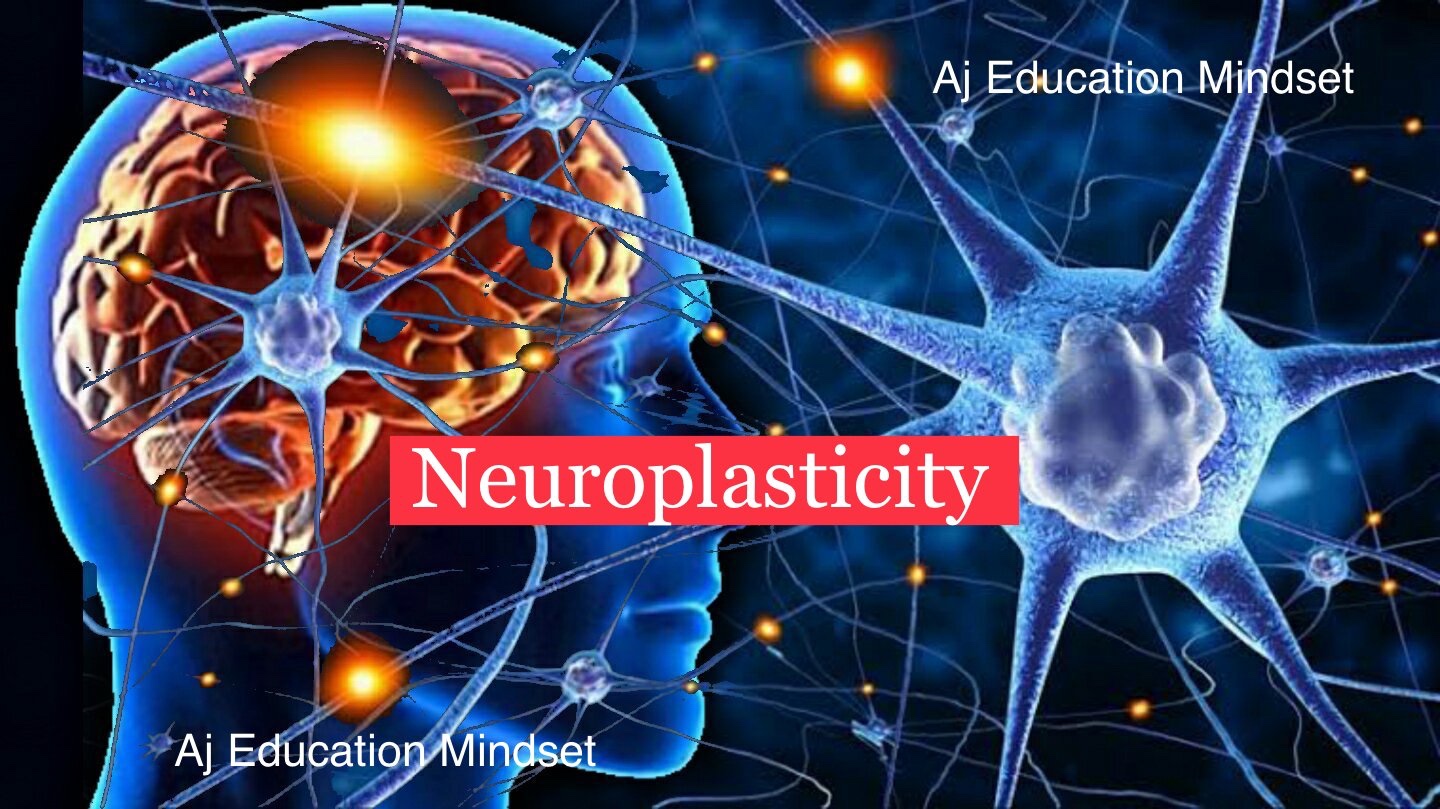
What is neuroplasticity how it does increase brain memory
Neuroplasticity is the brain’s ability to change and grow throughout a person’s life. Until recently, scientists thought that this was only possible in early childhood. After that, scientists believed that the brain “solidified” and became fixed in its habits. However, research has shown that the brain continues to change even into old age.
Like a physical muscle, the brain gets stronger the more you use it. The brain is a “pattern-seeking device.” When the neurons in your brain are activated in a particular pattern, it’s faster and easier for your brain to follow that same pattern in the future.
This means when you use your brain to complete a task, the brain “remembers” the task, so next time it becomes a little easier. The time after that, it’s even easier, and so on.
The bottom line is that our brains aren’t static. Through repeated practice and continual challenges, we can build pathways that make our brains stronger and smarter.
1=>Talk about their brain
Provide a very basic explanation of the main parts of the brain
The cerebrum is the biggest part of your brain. It’s the “thinking part” of your brain, and it controls your muscles and holds your memories. The cerebellum is in the back of your brain, and its job is to control balance, coordination, and movement. The brainstem connects your brain to your spinal cord. It’s in charge of the activities you can’t control, like breathing, digestion, and your heartbeat.
2=>Explain neurons and pathways
When you were born, your brain came with neurons, a type of tiny cell. When you learn things, your brain sends messages from one neuron to another. If you do the same thing enough times, your brain eventually makes a connection (or path) between neurons. This makes activities easier, and you can do them better and better.
3=>Use analogies
Imagine that you’re in a big field filled with tall, overgrown grass. Your job is to get to the other side. The first time, crossing the field will be really difficult—you’ll have to fight your way through the big, tall grass. But if you keep trying, you’ll get there.
The next time, it’ll be a little easier. Every time you cross the field, it’ll get easier and easier. Eventually, you’ll create a new path in the grass from going over it again and again.
You can also make a different analogy: establishing new neural pathways between brain cells is like building a bridge to cross a ravine.
4=>Make the connection
This is just like neuroplasticity. You’re in charge of your brain and you can learn anything you want, no matter how difficult it seems at first—you just have to go over it again and again.
5=>Discuss the value of mistakes
Mistakes help us learn, and they make our brains grow. If you were walking through that grassy field and you fell in a hole, that’s okay. You wouldn’t stay there; you would just get up and remember the choice you made to get there.
Next time, you would know that the hole was there, and you could walk around it. Mistakes teach you how to improve next time.
6=>Share amazing facts
To help kids understand the incredible power of their brains, share amazing facts like these:
There are as many neurons in the brain as there are stars in the Milky Way: about 100 billion.
Your brain physically stops growing around age 18, but it keeps changing forever. Even as an adult, you can still get better at all kinds of skills.
Do you know how powerful your brain is? It can produce enough electricity to power a lightbulb!
By design, our brains are all about growth and change—as is the whole human body: Your body makes about 2 million NEW red blood cells every second!
7=>Celebrate mistakes
Explain to your child that mistakes make the brain grow. In fact, the brain does NOT grow just from getting the answers right. To keep strengthening neural pathways, we must continue challenging ourselves and going to the next level of difficulty. This is going to involve mistakes, and that’s great!
When you make mistakes, embrace them and talk to your child about what you’ve learned from the experience or what you will do differently next time. Do not be too hard on yourself, especially in front of your child, and model persistence, resilience, and the willingness to take on a challenge.
Even better, when you or your child make a mistake, take the opportunity to celebrate. Give a high five and say, “High five! You’re learning!” or, “Woohoo! Your brain is growing!”
8=>Brainstorm ways neuroplasticity has already worked
Help your children or students come up with a list of activities that were once difficult and became much easier with practice: riding a bike, counting or doing the math, reading, roller skating, playing an instrument, drawing or coloring, even walking and running at one point.
“Remember how hard it was to add numbers when you first started? But you kept practicing, and now you can even multiply and divide!”.
You can also remind them of how they learned to ride a bike.
“Think about when you first started riding a bike. It was hard, wasn’t it? Your brain had to think about staying balanced, watching the sidewalk, pedaling, steering with the handlebars…But as you practiced over and over, the neurons in your brain sent messages back and forth until a path was formed. Now, you can ride your bike without even thinking about it. That’s because your brain has created a ‘bike-riding’ pathway.”
Keep the list somewhere visible, like on your refrigerator or a bulletin board in your classroom or child’s room. When children feel that something is too hard, remind them of all the things that were once “too hard” and are now second nature.
 Aj Education mindset